Table of Contents
Introduction
Water is an essential part of everyday life. We use it for drinking, cooking, bathing, washing clothes, and cleaning our homes. However, not all water is the same. In many areas, households receive hard water, which contains high levels of minerals such as calcium and magnesium. While these minerals are not harmful to drink, they can cause many problems in your home over time.
Hard water can leave white stains on faucets, sinks, and dishes. It also reduces the effectiveness of soaps and detergents, making it harder to clean clothes and dishes properly. Many people also notice that hard water can make their skin feel dry and their hair dull after showering. Over time, mineral buildup can even damage plumbing systems and household appliances like water heaters and washing machines.
This is where a water softener system becomes an important solution. A water softener is designed to remove excess minerals from water, transforming hard water into soft water that is easier to use throughout the home. Installing a water softener can improve water quality, protect your appliances, and make daily household tasks more efficient.
Why Many Homeowners Install Water Softeners
A water softener provides several practical benefits for households dealing with hard water. Some of the main reasons homeowners choose to install a water softener include:
- Reducing mineral buildup in pipes and plumbing systems
- Improving the performance of soaps, shampoos, and detergents
- Protecting household appliances from scale damage
- Making skin and hair feel softer after bathing
- Preventing stains and spots on dishes, sinks, and glassware
- Helping clothes stay cleaner and last longer
Because of these advantages, water softeners have become a popular solution for improving overall water quality in many homes. By removing excess minerals, they help create a more comfortable, efficient, and cost-effective household environment.
What Is a Water Softener System?
A water softener system is a device designed to remove minerals that cause hard water, mainly calcium and magnesium. These minerals naturally dissolve in groundwater as it passes through rocks and soil. When this mineral-rich water enters homes, it becomes what we call hard water.
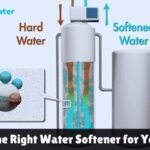
A water softener works by filtering these minerals out of the water before it flows through your plumbing system. The most common method used in water softeners is called ion exchange, where calcium and magnesium ions are replaced with sodium or potassium ions. This process transforms hard water into soft water, which is much gentler on pipes, appliances, and skin.
Water softeners are typically installed where the main water supply enters the house. This allows the system to treat water for the entire home, including bathrooms, kitchens, laundry rooms, and water-using appliances. Once installed, the system continuously removes excess minerals, improving water quality for daily household use.
How a Water Softener Works
Most modern water softeners operate through a simple but effective process:
- Mineral Removal
Hard water flows through a tank filled with special resin beads. These beads attract and capture calcium and magnesium minerals. - Ion Exchange Process
The resin beads release sodium or potassium ions while capturing the hard minerals, which softens the water. - Regeneration Cycle
After some time, the resin beads become full of minerals. The system then runs a regeneration cycle using salt water (brine) to clean the beads and prepare them to soften water again. - Continuous Soft Water Supply
Once the regeneration cycle is complete, the system continues delivering softened water throughout the house.
Main Components of a Water Softener
A typical water softener system includes several important parts:
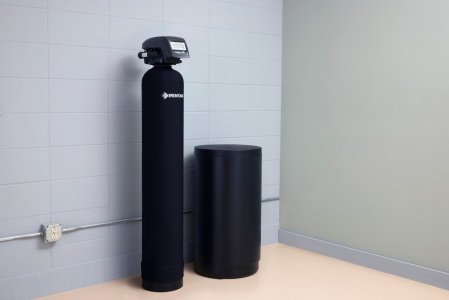
- Mineral Tank – The main tank where hard minerals are removed from the water.
- Resin Beads – Small beads inside the tank that capture calcium and magnesium ions.
- Brine Tank – Holds salt used during the regeneration process.
- Control Valve – Manages water flow and controls the regeneration cycle.
Types of Water Softener Systems
There are several types of water softeners available for residential use:
1. Salt-Based Water Softeners
These are the most common systems. They use salt and the ion exchange process to remove minerals from hard water.
2. Salt-Free Water Conditioners
Instead of removing minerals, these systems change the structure of minerals so they do not stick to surfaces and cause scale buildup.
3. Dual-Tank Water Softeners
These systems have two mineral tanks, allowing continuous soft water supply even during regeneration.
4. Magnetic or Electronic Softeners
These devices use magnetic fields to reduce scale buildup in pipes, though their effectiveness can vary.
How Hard Water Affects Your Home
Hard water may not seem like a serious problem at first, but over time it can cause many issues throughout your home. The high levels of minerals such as calcium and magnesium can leave deposits on surfaces, reduce the efficiency of appliances, and even affect your skin and hair. Many homeowners do not realize that hard water is the reason behind several everyday problems in the house.
When hard water flows through plumbing systems and household appliances, it leaves behind mineral deposits known as limescale. These deposits slowly build up inside pipes, faucets, and water-using appliances. As the buildup increases, it can reduce water flow, increase energy consumption, and lead to costly repairs.
Hard water also affects cleaning tasks. Soap and detergents do not dissolve properly in hard water, which means you may need to use more cleaning products to achieve the same results. Clothes may feel rough after washing, dishes may have spots, and bathroom surfaces can develop stubborn stains.
Below are some of the most common ways hard water affects your home.
1. Damage to Plumbing Systems
One of the biggest problems caused by hard water is mineral buildup inside pipes. Over time, calcium and magnesium deposits accumulate on the inner surfaces of plumbing lines.
This buildup can lead to several issues:
- Reduced water flow through pipes
- Increased pressure in plumbing systems
- Higher risk of pipe blockages
- Expensive plumbing repairs
In severe cases, the mineral buildup can narrow pipes so much that water pressure drops significantly. Installing a water softener helps prevent these deposits from forming and keeps plumbing systems functioning properly.
2. Reduced Efficiency of Household Appliances
Many household appliances rely on water to operate efficiently. Hard water minerals can accumulate inside these appliances and reduce their performance.
Appliances that are commonly affected include:
- Water heaters
- Dishwashers
- Washing machines
- Coffee makers
- Electric kettles
When scale builds up inside a water heater, it acts as a barrier between the heating element and the water. This forces the heater to work harder and use more energy. As a result, energy bills may increase while the appliance lifespan becomes shorter.
3. Skin and Hair Problems
Hard water can also affect personal care. When you bathe or shower with hard water, the minerals interact with soap and shampoo, leaving a thin residue on the skin and hair.
Some common effects include:
- Dry and itchy skin
- Dull or rough hair
- Difficulty rinsing shampoo or soap completely
- Increased irritation for people with sensitive skin
Soft water, on the other hand, allows soaps and shampoos to rinse away more easily, leaving skin smoother and hair softer.
4. Soap and Detergent Inefficiency
Hard water reduces the effectiveness of many cleaning products. The minerals react with soap to form a substance called soap scum, which makes cleaning more difficult.
This can result in:
- Soap not lathering properly
- White residue on sinks and tiles
- Spots on dishes and glassware
- Clothes feeling stiff or rough after washing
Because of this reaction, households with hard water often need to use more detergent, shampoo, and cleaning products to achieve good results.
Key Benefits of Installing a Water Softener System
Installing a water softener system can significantly improve the quality of water used throughout your home. By removing minerals such as calcium and magnesium, the system converts hard water into soft water that is easier to use for daily tasks. This change may seem small, but it can bring many long-term advantages for homeowners.
Soft water helps protect plumbing systems, improves cleaning efficiency, and reduces maintenance costs for appliances. It also improves comfort during everyday activities like bathing and washing clothes. Over time, these benefits can make a noticeable difference in both household convenience and overall expenses.
Below are some of the most important benefits of installing a water softener system.
1. Extends the Life of Household Appliances
One of the biggest advantages of a water softener is that it helps protect appliances that use water. Hard water minerals often build up inside appliances and create scale deposits that reduce efficiency.
When a water softener removes these minerals, appliances can operate more smoothly and last longer.
Key benefits include:
- Prevents scale buildup inside appliances
- Improves performance of water heaters and washing machines
- Reduces the need for frequent repairs
- Helps appliances last several years longer
Appliances such as dishwashers, coffee makers, and water heaters perform better when they operate with soft water.
2. Improves Skin and Hair Health
Many people notice a difference in how their skin and hair feel after switching to soft water. Hard water minerals can leave a residue that prevents soap and shampoo from rinsing off completely.
Soft water allows cleaning products to work more effectively, leaving skin and hair feeling cleaner and smoother.
Some benefits include:
- Softer and smoother skin
- Healthier looking hair
- Less dryness and irritation
- Easier rinsing of soap and shampoo
For people with sensitive skin, using soft water can make daily bathing more comfortable.
3. Better Cleaning Results
Soft water improves the effectiveness of cleaning products. Because there are fewer minerals in the water, soaps and detergents can dissolve more easily and produce better results.
This improvement can be seen in many household tasks.
Examples include:
- Clothes becoming cleaner and softer
- Dishes and glassware appearing clearer without spots
- Bathroom surfaces staying cleaner for longer
- Soap creating more lather
Households with soft water also tend to use less detergent and cleaning products.
4. Reduces Plumbing Problems
Hard water minerals often accumulate inside pipes and plumbing fixtures. Over time, these deposits can restrict water flow and increase maintenance costs.
A water softener helps prevent this mineral buildup, which protects plumbing systems.
This can lead to:
- Improved water flow through pipes
- Lower risk of pipe blockages
- Reduced plumbing maintenance costs
- Longer lifespan for plumbing systems
Maintaining clean pipes also helps keep water pressure stable throughout the home.
5. Saves Money Over Time
Although installing a water softener requires an initial investment, it can help homeowners save money in the long run. Soft water improves the efficiency of appliances and reduces the amount of cleaning products needed.
Some long-term savings include:
- Lower energy bills due to efficient appliances
- Reduced spending on soaps and detergents
- Fewer plumbing repairs
- Longer appliance lifespan
These savings often make a water softener a cost-effective solution for homes with hard water.
6. Brighter and Softer Laundry
Hard water minerals can become trapped in fabric fibers during washing, making clothes feel rough and look dull. Over time, this can cause fabrics to wear out faster.
Soft water helps keep fabrics in better condition.
Benefits include:
- Clothes feeling softer after washing
- Colors staying brighter for longer
- Reduced fabric damage
- Less detergent needed during laundry
As a result, clothes may last longer and maintain their original appearance.
7. Cleaner Kitchen and Bathroom Surfaces
Hard water often leaves behind stubborn stains on sinks, tiles, shower doors, and faucets. These mineral spots can be difficult to remove and require frequent cleaning.
With soft water, mineral buildup is greatly reduced.
This helps with:
- Fewer water spots on glass and dishes
- Less scale buildup on faucets and showerheads
- Easier cleaning of bathroom surfaces
- Reduced need for harsh cleaning chemicals
This makes maintaining a clean home much easier.
Types of Water Softener Systems
There are several types of water softener systems available, and each works in a slightly different way. The right choice depends on factors such as water hardness level, household size, maintenance preferences, and budget. Understanding the main types of water softeners can help homeowners choose the system that best suits their needs.
Some systems completely remove hard minerals from water, while others simply prevent those minerals from forming scale buildup. Below are the most common types of water softener systems used in homes.
1. Salt-Based Water Softeners
Salt-based water softeners are the most widely used systems for treating hard water. These systems use the ion exchange process to remove calcium and magnesium from the water.
Inside the system, water flows through a tank filled with resin beads. These beads attract and trap hard minerals while releasing sodium ions into the water. As a result, the water becomes soft and easier to use throughout the home.
Key features include:
- Highly effective at removing hard water minerals
- Provides consistently soft water for the whole house
- Requires regular salt refilling for regeneration
- Ideal for homes with very hard water
Although these systems require maintenance, they are considered one of the most reliable solutions for hard water problems.
2. Salt-Free Water Conditioners
Salt-free systems are sometimes called water conditioners rather than traditional water softeners. Instead of removing minerals, they change the chemical structure of calcium and magnesium so they are less likely to stick to surfaces and form scale.
These systems are popular for people who want a low-maintenance option.
Main advantages include:
- No salt required
- Minimal maintenance
- Environmentally friendly
- Prevents scale buildup on appliances and pipes
However, salt-free systems may not be as effective in areas with extremely hard water because they do not actually remove the minerals.
3. Dual-Tank Water Softeners
Dual-tank water softeners contain two separate mineral tanks instead of one. While one tank is softening the water, the other tank can regenerate. This design ensures that the home always has access to soft water.
These systems are especially useful for larger households or homes with high water usage.
Benefits include:
- Continuous supply of soft water
- Ideal for large families
- More efficient regeneration process
- Reliable performance for heavy water use
Because of their advanced design, dual-tank systems are usually more expensive than standard water softeners.
4. Magnetic or Electronic Water Softeners
Magnetic or electronic water softeners are compact devices that attach to the outside of water pipes. These systems use electromagnetic waves to alter the behavior of minerals in the water.
Instead of removing minerals, they attempt to reduce the ability of minerals to stick to pipes and surfaces.
Some advantages include:
- Easy installation
- No salt or chemicals required
- Low cost compared to traditional systems
- Little to no maintenance
However, their effectiveness can vary depending on water conditions, and they may not work as well as traditional water softeners in areas with very hard water.
Signs You Need a Water Softener
Many homeowners live with hard water problems without realizing the cause. Hard water often shows clear signs around the house, but people may think these issues are normal. If you notice certain recurring problems with cleaning, plumbing, or personal care, it could be a sign that your home has hard water and may benefit from a water softener system.
Hard water leaves mineral deposits and makes soaps less effective. Over time, these effects become visible on household surfaces, appliances, and even your skin and hair. Recognizing these signs early can help prevent long-term damage to plumbing systems and appliances.
Below are some common signs that indicate your home may need a water softener.
1. Soap Does Not Lather Well
One of the most noticeable signs of hard water is poor soap performance. When soap reacts with calcium and magnesium in hard water, it forms a residue instead of creating a rich lather.
This can cause several inconveniences:
- Soap and shampoo not foaming properly
- Needing to use more soap to clean effectively
- Difficulty rinsing soap from hands, dishes, or hair
If you find yourself using large amounts of soap or detergent, hard water may be the reason.
2. White Spots on Dishes and Glassware
Hard water often leaves behind mineral spots on dishes and glassware after washing. These spots appear as cloudy or chalky marks that are difficult to remove.
Common signs include:
- White spots on drinking glasses
- Cloudy dishes after dishwasher cycles
- Mineral residue on kitchen utensils
These stains are caused by calcium deposits that remain after water dries.
3. Dry Skin and Dull Hair
Hard water minerals can affect the way soap and shampoo interact with your body. Instead of rinsing away cleanly, these products may leave a thin film on the skin and hair.
This can result in:
- Dry or itchy skin
- Hair feeling rough or dull
- Shampoo not rinsing out completely
- Skin irritation after showers
Switching to soft water often helps improve the overall bathing experience.
4. Scale Buildup on Faucets and Showerheads
Mineral deposits from hard water can accumulate on plumbing fixtures over time. These deposits appear as white or chalky buildup around faucets, showerheads, and sinks.
This buildup may cause:
- Reduced water flow from showerheads
- Visible white crust around faucets
- Difficulty cleaning bathroom surfaces
- Shorter lifespan of fixtures
Regular scale buildup is a strong indicator that hard water is present in your home.
5. Clothes Feel Rough After Washing
Hard water minerals can remain trapped in fabric fibers during the washing process. This can cause clothes to feel stiff and lose their softness.
You may notice:
- Towels feeling rough instead of soft
- Clothes fading faster than usual
- Fabrics wearing out more quickly
- Laundry requiring extra detergent
Using soft water helps fabrics stay softer and maintain their color for longer.
Is a Water Softener Worth It?
Many homeowners wonder whether installing a water softener is really worth the investment. While the system requires an initial cost for purchase and installation, the long-term benefits often make it a practical and cost-effective solution for homes dealing with hard water.
Hard water can gradually damage plumbing systems, reduce the efficiency of appliances, and increase the amount of cleaning products needed in daily household tasks. These small issues may not seem serious at first, but over time they can lead to higher repair costs, increased energy bills, and more frequent appliance replacements.
A water softener helps solve these problems by removing excess minerals from the water supply. Once installed, the system continuously provides soft water throughout the home, improving both comfort and efficiency.
Long-Term Financial Benefits
One of the biggest reasons homeowners install water softeners is the potential for long-term savings. Hard water causes scale buildup inside appliances and plumbing systems, which can reduce efficiency and lead to expensive repairs.
With a water softener, you may benefit from:
- Lower maintenance and repair costs for appliances
- Reduced energy consumption from efficient water heaters
- Less spending on soaps, detergents, and cleaning products
- Longer lifespan for washing machines, dishwashers, and plumbing fixtures
Over several years, these savings can offset the initial cost of installing the system.
Improved Household Comfort
Another important advantage of a water softener is the improvement in daily comfort. Soft water makes many everyday tasks easier and more pleasant.
For example:
- Showers feel more refreshing because soap rinses off easily
- Skin and hair feel softer after bathing
- Clothes come out cleaner and softer from the washing machine
- Dishes and glassware appear clearer without spots
These improvements can make a noticeable difference in the overall quality of life at home.
Protection for Your Home
Hard water minerals slowly accumulate in pipes, faucets, and appliances. Over time, this buildup can lead to plumbing issues and reduced water pressure.
Installing a water softener helps protect your home by:
- Preventing scale buildup inside pipes
- Maintaining stable water pressure
- Protecting expensive household appliances
- Reducing plumbing maintenance needs
By protecting the home’s water system, a water softener can help homeowners avoid costly damage in the future.
Tips for Choosing the Right Water Softener
Choosing the right water softener is important to ensure that your home receives effective treatment for hard water. Since there are different types and sizes of systems available, homeowners should consider several factors before making a decision. The right system will provide consistent soft water while also matching your household’s water usage and maintenance preferences.
By understanding your water quality and household needs, you can select a water softener that works efficiently and lasts for many years.
1. Check Your Water Hardness Level
Before buying a water softener, it is important to know how hard your water actually is. Water hardness is measured in grains per gallon (GPG) or milligrams per liter (mg/L). Testing your water helps determine the size and type of softener required.
You can check water hardness by:
- Using a home water testing kit
- Requesting a water report from your local water provider
- Hiring a professional water testing service
Homes with higher hardness levels usually require more powerful water softener systems.
2. Consider Household Size and Water Usage
The size of your household plays a major role in selecting the right water softener. Larger families typically use more water, which means the system must handle higher demand.
Important factors to consider include:
- Number of people living in the home
- Daily water usage for bathing, laundry, and cleaning
- Number of bathrooms and water fixtures
Choosing a system that matches your household size helps ensure a consistent supply of soft water.
3. Choose the Right Type of Water Softener
Different water softener systems offer different benefits. Selecting the right type depends on your water conditions and maintenance preferences.
Common options include:
- Salt-based water softeners for effective mineral removal
- Salt-free water conditioners for low-maintenance scale prevention
- Dual-tank systems for continuous soft water supply
- Compact or magnetic systems for smaller homes or apartments
Understanding these options helps homeowners find the most suitable solution.
4. Evaluate Maintenance Requirements
Some water softeners require regular maintenance, while others need very little attention. For example, salt-based systems need periodic salt refilling and regeneration cycles.
Before choosing a system, consider:
- How often salt needs to be added
- Cleaning or servicing requirements
- Filter replacement schedules
Selecting a system that fits your maintenance preferences will make it easier to manage in the long run.
5. Compare Installation Options and Costs
Water softener systems vary in price depending on their size, technology, and installation requirements. Some homeowners choose professional installation, while others prefer a do-it-yourself setup.
Things to consider include:
- Initial cost of the water softener system
- Installation fees if hiring a professional
- Long-term maintenance costs
- Warranty and manufacturer support
Comparing these factors can help you choose a system that fits both your needs and your budget. Selecting the right water softener ensures that your home receives the full benefits of softened water. By considering water hardness levels, household size, system type, and maintenance requirements, homeowners can make a well-informed decision.
Conclusion
Installing a water softener system can provide many advantages for households dealing with hard water. By removing minerals such as calcium and magnesium, these systems improve water quality and help protect plumbing systems, appliances, and household surfaces.
Soft water not only makes cleaning easier but also improves everyday comfort. Skin and hair feel softer after bathing, clothes stay cleaner and last longer, and appliances operate more efficiently without scale buildup. Over time, these improvements can also lead to lower maintenance costs and reduced energy consumption.
For homeowners experiencing problems such as mineral stains, dry skin, or reduced appliance performance, a water softener can be a valuable solution. Choosing the right system and installing it properly can significantly improve both water quality and overall household efficiency.
In the long run, a water softener system helps create a cleaner, more comfortable, and more efficient home environment.